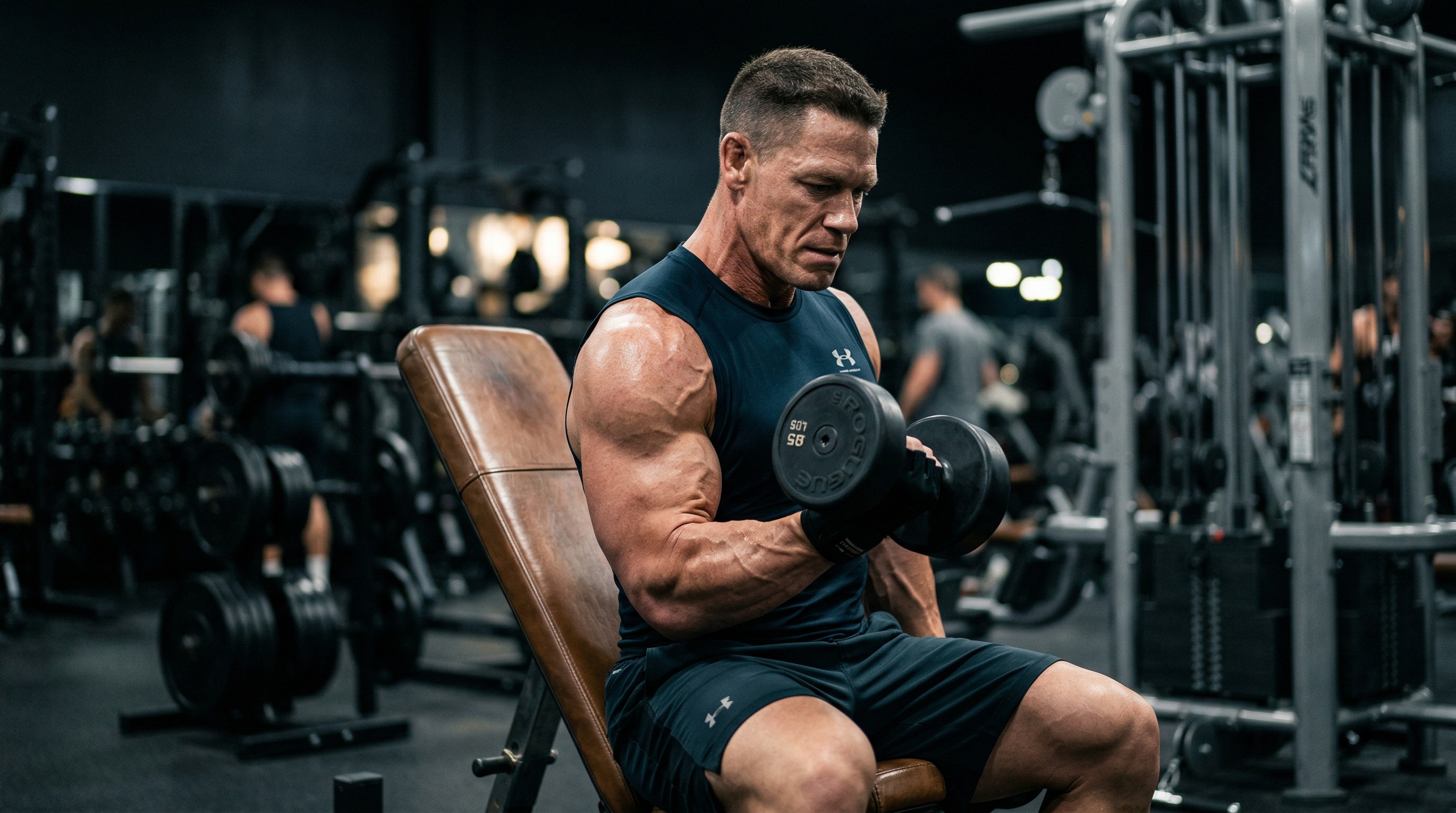
John Cena Workout: The 5-Day Bodybuilding Split That Built Wrestling's Biggest Physique
The complete training program, diet, and philosophy behind John Cena's 250-pound muscular frame
John Cena's physique is one of the most impressive in the history of professional sports entertainment — and it was built through a training approach that is far more methodical, disciplined, and science-informed than the wrestling industry's reputation might suggest. At 6'1" and 250 pounds with visible muscle definition, Cena represents what decades of consistent, progressive, intelligently programmed resistance training produces when combined with adequate nutrition and genuine commitment to the process. Cena discovered training early. As a high school athlete, he found that lifting gave him both a physical advantage and an identity anchor during what he has described as a difficult adolescence. He took his training seriously enough to earn a Division III All-American football designation at Springfield College, where he studied exercise physiology — a detail that often gets lost in his celebrity persona but is directly relevant to understanding why his training approach is more sophisticated than typical "celebrity workout" content. He didn't just train; he studied training. His transition to professional wrestling with WWE accelerated both his training commitment and his understanding of what the body is capable of. Wrestling's physical demands — performing six or more days per week, taking bumps, working extended matches, traveling constantly — required a level of physical preparedness that went beyond simple aesthetics. Cena had to be strong enough to actually perform, not just look like he could. The combination of his bodybuilding background and wrestling's functional demands produced a training philosophy that values both appearance and genuine capability. The backbone of Cena's training is a five-day push/pull/legs split with an emphasis on heavy compound movements. He has been documented pressing overhead with 400+ pounds, squatting well over 600 pounds, and benching in the mid-400s — numbers that place him in genuine powerlifter territory despite his primary identity as an entertainer. These are not estimates or PR stunts; they reflect the product of decades of progressively loaded compound training. His training logs and gym sessions have been observed and documented extensively, and the numbers are consistent across multiple sources. His approach to programming prioritizes progressive overload above all else. Cena's workouts are not about "feeling the muscle" or chasing the pump — they are structured around adding weight or reps over time in the foundational movements. He trains with an athlete's mentality: the goal of every session is to be better than the last session, and the definition of "better" is objective and measurable rather than subjective. This commitment to progressive overload over many years is the actual explanation for his extraordinary strength levels. The overhead press occupies a special place in Cena's training. He considers it the truest test of shoulder strength and trains it with the same intensity and reverence that powerlifters reserve for the squat and deadlift. His 400-pound overhead press is a genuinely elite figure — well beyond what most dedicated lifters ever achieve — and represents one of the clearest examples of what focused, prolonged training on a single movement can produce. He doesn't program the overhead press as an accessory; it is a primary movement that receives premium training time and energy. Nutrition for a 250-pound athlete who trains as intensively as Cena does requires aggressive caloric intake. He has discussed eating up to seven meals per day during his WWE years, consuming in excess of 3,500-4,000 calories daily with a heavy emphasis on lean protein. His protein intake during heavy training blocks has been reported at levels approaching 1 gram per pound of bodyweight, prioritizing muscle retention and recovery during what would otherwise be an extremely catabolic athletic schedule. He has also been open about the role of supplementation — protein shakes, amino acids, and creatine — as practical tools for meeting nutritional targets when whole food consumption becomes logistically challenging. What distinguishes Cena's story from standard bodybuilder narratives is the longevity and adaptability of his approach. He has maintained his physique and performance through years of a WWE schedule that most people would find debilitating, through a major film career that demands different physical qualities for different roles, and into his 40s. His preparation for the Peacemaker series involved specific training adjustments for the superhero aesthetic the role demanded. His work in the Fast & Furious franchise required a different kind of physical capacity than wrestling. Each transition has been handled with the same methodical approach that defined his early career — assess the physical demands, design the program to meet them, execute with consistency.
BasedHealth Fitness Team
NSCA & ACSM-guided programming
This program is based on publicly available training interviews and adapted using evidence-based principles from the National Strength & Conditioning Association and American College of Sports Medicine guidelines. Always consult a physician before starting a new fitness program.
The Training Philosophy
Understand the science behind the transformation
A 5-day push/pull/legs bodybuilding split with heavy compound emphasis. Workouts run 60-90 minutes, Monday through Friday with weekends as active recovery. Progressive overload is the organizing principle — weight increases weekly on all primary lifts.
Key Training Principles
Progressive Overload
Gradually increase intensity for continuous gains
Recovery Focus
Strategic rest periods for optimal muscle growth
Nutrition Synergy
Diet perfectly aligned with training goals
The Complete Workout Plan
Follow this exact routine to achieve John Cena's physique
Track every set, rep, and rest period with our app
Start Tracking NowOverhead Press
Sets
5
Reps
3-5
Rest
3 min
Barbell Back Squat
Sets
5
Reps
4-6
Rest
3 min
Bench Press
Sets
5
Reps
4-6
Rest
2-3 min
Deadlift
Sets
4
Reps
4-5
Rest
3 min
Incline Dumbbell Press
Sets
4
Reps
8-10
Rest
90 sec
Barbell Row
Sets
4
Reps
6-8
Rest
2 min
Leg Press
Sets
4
Reps
10-12
Rest
90 sec
Dumbbell Lateral Raise
Sets
4
Reps
12-15
Rest
60 sec
The Nutrition Protocol
Fuel your transformation with the right diet
Daily Macro Targets
Protein
Carbs
Fats
Track your calories and macros effortlessly with AI-powered food recognition
Start Tracking Your NutritionCommon Questions
How much does John Cena bench press?
What is John Cena's workout split?
How much does John Cena overhead press?
How many calories does John Cena eat per day?
Can beginners follow John Cena's workout?
Pair This Workout With a Meal Plan
Training without a nutrition plan is wasted effort. These meal plans match this program's calorie needs.
Mediterranean Diet Meal Plan: Heart-Healthy 7-Day Guide
Follow the world's healthiest diet with this delicious 7-day Mediterranean meal plan.
View 7-day plan →
2000 Calorie Meal Plan: Balanced Nutrition Guide
A well-rounded 2000-calorie plan for maintenance, body recomposition, or healthy eating.
View 7-day plan →
High Protein Meal Plan: Build Muscle & Stay Full
A high-protein plan delivering 180g+ protein daily for muscle building and satiety.
View 7-day plan →
Track The Foods In This Plan
Quick calorie and macro references for the staples in this workout's nutrition protocol.


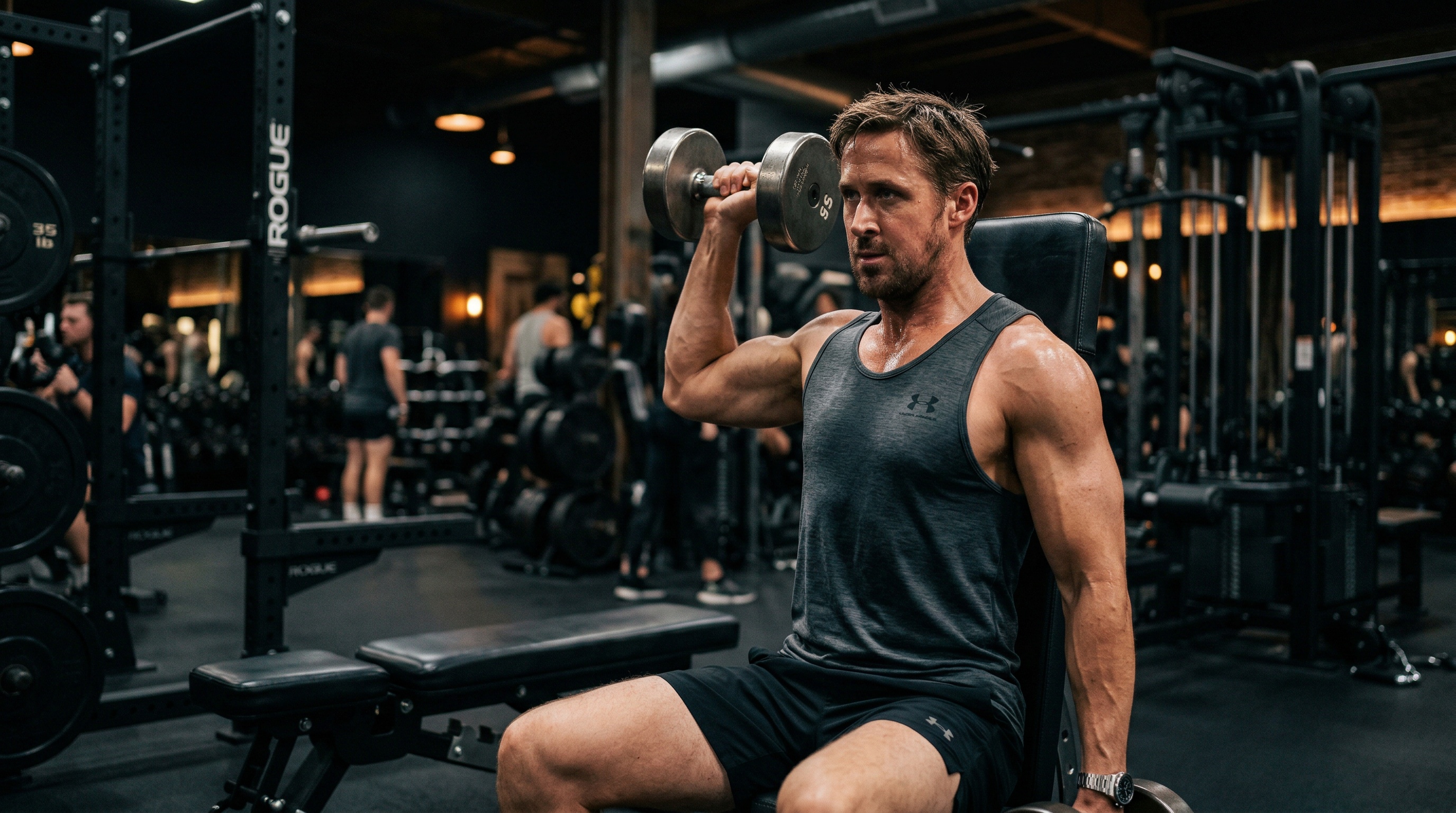
Ready to Transform Like John Cena?
Join thousands using our AI-powered app to track workouts and nutrition effortlessly