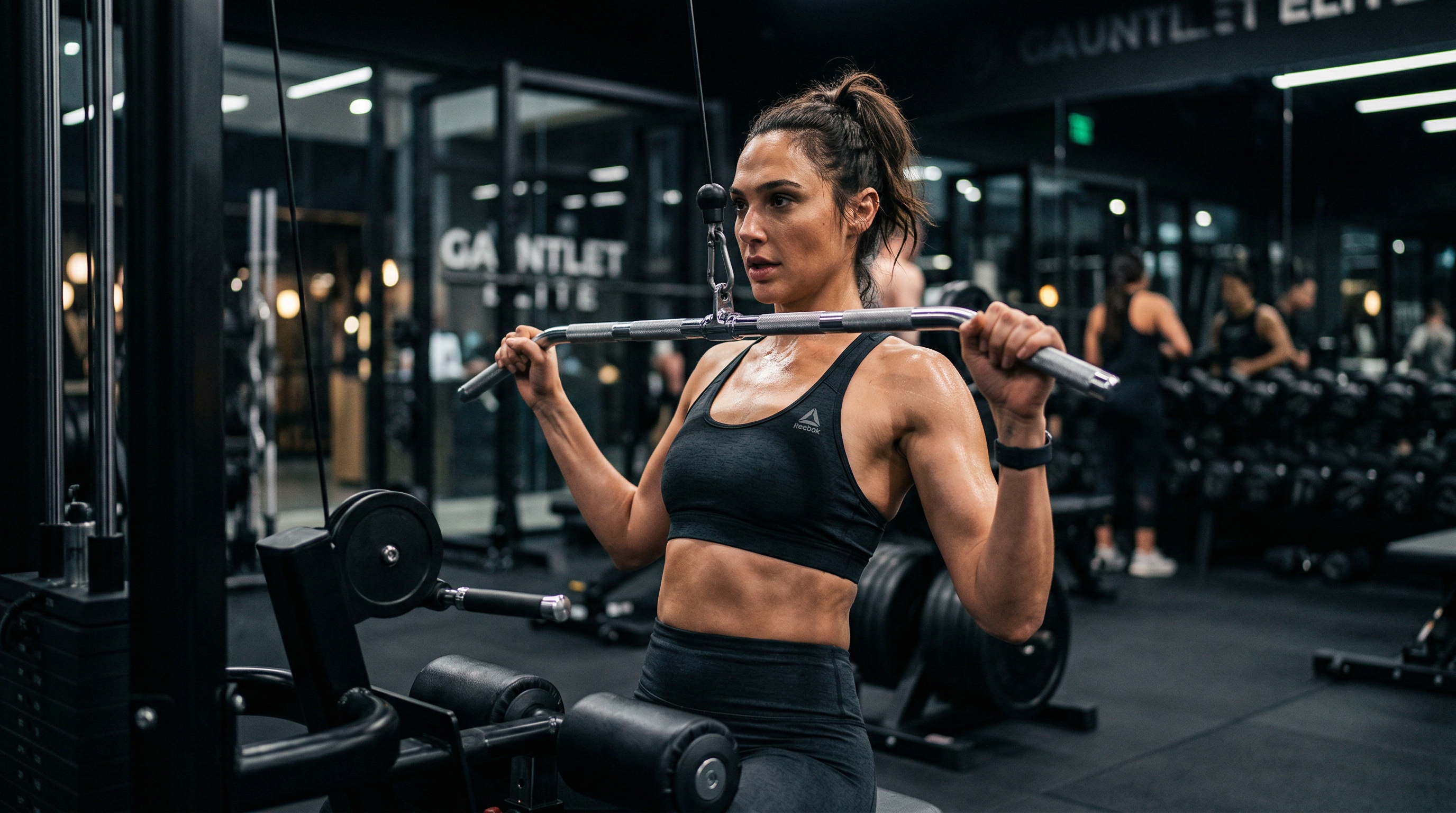
Gal Gadot Workout: Wonder Woman Training Program
How an Israeli model-turned-actress trained like an Amazonian warrior and built one of Hollywood's most admired physiques
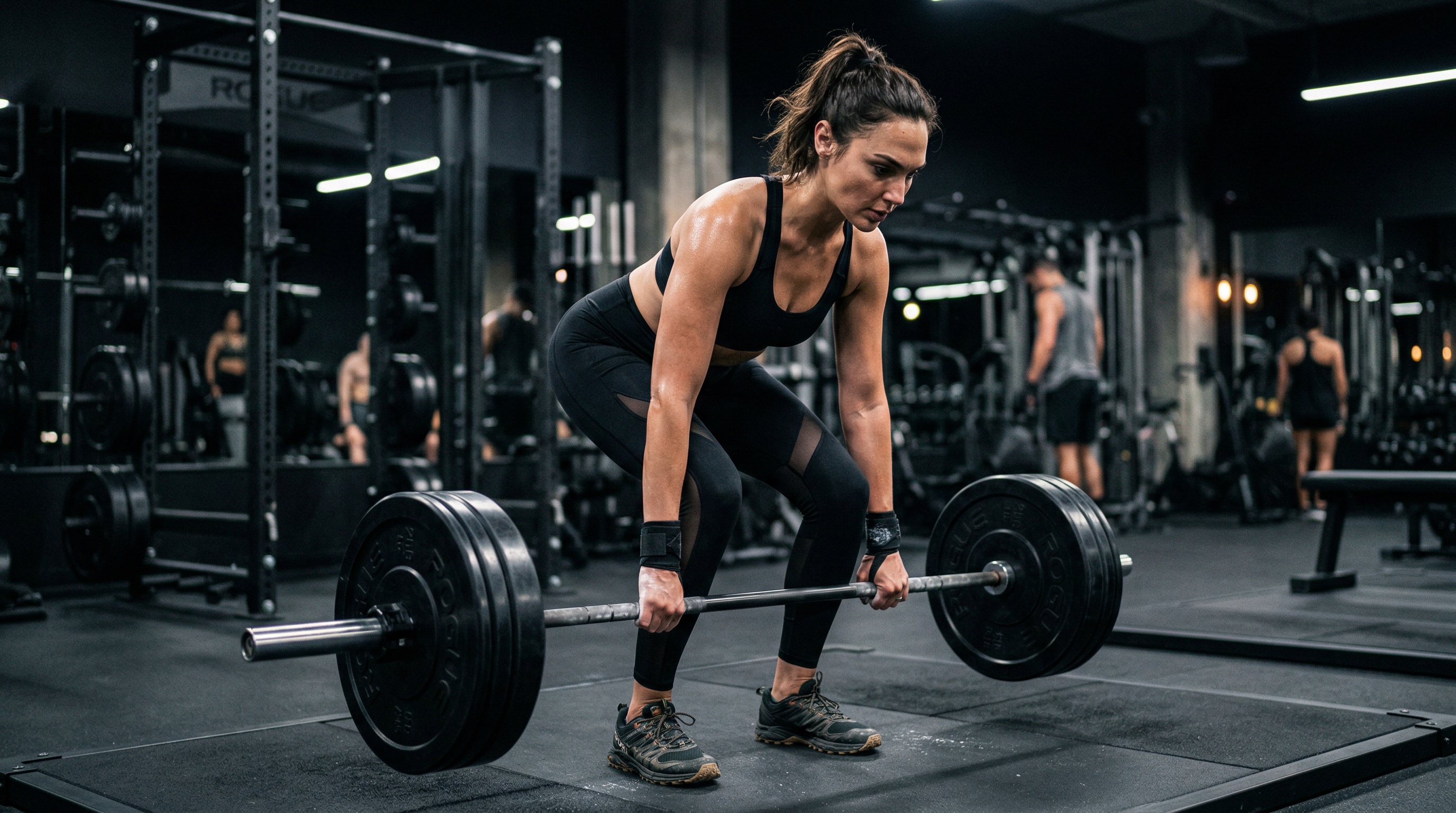
When Gal Gadot was announced as Wonder Woman in 2013, the internet had opinions. At 5'10" and notably slender from her modeling career, critics questioned whether she had the physical presence to embody Diana Prince — the Amazonian princess whose physique has been illustrated as essentially superhuman for over eighty years of comic book history. What those critics underestimated was both Gadot's military background (two years of mandatory service in the Israel Defense Forces will do certain things to your baseline fitness) and the capabilities of trainer Magnus Lygdback, who would spend the next two years turning her into one of the most believable action heroes in modern cinema. Lygdback — a Swedish trainer who would go on to work with Ben Affleck's Batman and multiple other DC properties — approached the Wonder Woman preparation with a philosophy that prioritized what he calls "athletic beauty": a physique defined by graceful power rather than extreme mass. Diana Prince is not a bodybuilder. She's a warrior-athlete who has trained in combat, archery, sword fighting, and Amazonian military arts since childhood. The physical expression of that history is lean, dense, functional muscle — the kind built by decades of varied athletic training rather than years of isolation curls in a globo gym. The preparation for the first Wonder Woman film involved six months of intensive training before production and continued throughout filming. Gadot trained with Lygdback six days per week in sessions that combined fight choreography with strength and conditioning work — a necessity given the film's extended action sequences. The approach reflected a European athletic training tradition that emphasizes movement quality and power development over American bodybuilding methods that prioritize size and symmetry. A central element of the Wonder Woman training was what Lygdback calls "warrior training" — a combination of traditional strength work, martial arts conditioning, and functional athletic movements. Gadot incorporated elements of kickboxing, sword training, horseback riding preparation, and the kind of rock-climbing exercises that would develop the grip strength and upper body pulling capacity necessary for the iconic shield-and-sword sequences. This breadth of athletic preparation gave her the adaptable athleticism that reads as authenticity on screen. Gadot's starting point was more athletic than many people assume. Israeli military service involves genuine physical conditioning, and Gadot has described maintaining baseline fitness throughout her life. However, the transition from fit-civilian to warrior-princess required a fundamental shift in training volume, intensity, and specificity. Lygdback added roughly 17 pounds of muscle to Gadot's frame during the Wonder Woman preparation — a significant transformation that required both consistent heavy training and a caloric surplus during building phases. The nutritional component of the preparation was carefully managed. Lygdback's approach involved cycling between building phases (slight caloric surplus, emphasis on protein and carbohydrates) and leaning phases (modest caloric deficit while maintaining protein to preserve muscle mass). This periodization approach allowed Gadot to add the muscle mass necessary for Diana's physical presence without accumulating excess body fat, and then strategically lean out for the specific sequences where Diana's physique would be most visible. What makes Gadot's transformation particularly instructive is how it challenges common assumptions about female physique development. Adding 17 pounds of quality muscle to a 5'10" frame is not a small achievement — it required consistent progressive overload in compound movements, adequate protein intake, sufficient sleep, and the kind of long-term commitment that most people abandon after six weeks. The result was not a body that looks like it lifts; it's a body that looks like it fights, which is a subtler and more functional expression of the same underlying adaptations. The fight choreography training deserves particular acknowledgment. Gadot reportedly spent thousands of hours learning and rehearsing the combat sequences, working with choreographers to develop the distinctive mix of Amazonian warrior tradition and modern martial arts that defines Diana's fighting style. This training contributed to the physical development visible on screen in ways that purely gym-based preparation cannot replicate — the shoulder stability, hip mobility, and reflexive athleticism that come from actual movement training rather than static strength work.
BasedHealth Fitness Team
NSCA & ACSM-guided programming
This program is based on publicly available training interviews and adapted using evidence-based principles from the National Strength & Conditioning Association and American College of Sports Medicine guidelines. Always consult a physician before starting a new fitness program.
The Training Philosophy
Understand the science behind the transformation
A six-day training program developed by trainer Magnus Lygdback combining heavy compound strength training, martial arts conditioning, and fight choreography to build the graceful power of an Amazonian warrior — approximately 17 lbs of muscle added over six months of preparation.
Key Training Principles
Progressive Overload
Gradually increase intensity for continuous gains
Recovery Focus
Strategic rest periods for optimal muscle growth
Nutrition Synergy
Diet perfectly aligned with training goals
The Complete Workout Plan
Follow this exact routine to achieve Gal Gadot's physique
Track every set, rep, and rest period with our app
Start Tracking NowBarbell Hip Thrust
Sets
4
Reps
10-12
Rest
90 sec
Weighted Pull-Up
Sets
4
Reps
8
Rest
2 min
Front Squat
Sets
4
Reps
8
Rest
2 min
Landmine Rotational Press
Sets
3
Reps
10 each side
Rest
75 sec
Nordic Hamstring Curl
Sets
3
Reps
6-8
Rest
90 sec
Battle Rope Wave
Sets
4
Reps
30 sec on / 30 sec off
Rest
60 sec between sets
Dumbbell Bulgarian Split Squat
Sets
3
Reps
12 each leg
Rest
75 sec
TRX Inverted Row
Sets
3
Reps
15
Rest
60 sec
The Nutrition Protocol
Fuel your transformation with the right diet
Daily Macro Targets
Protein
Carbs
Fats
Track your calories and macros effortlessly with AI-powered food recognition
Start Tracking Your NutritionCommon Questions
How much weight did Gal Gadot gain for Wonder Woman?
Who trained Gal Gadot for Wonder Woman?
What martial arts did Gal Gadot learn for Wonder Woman?
Can you get Wonder Woman's physique without six months of full-time training?
What is Magnus Lygdback's training philosophy for women?
Pair This Workout With a Meal Plan
Training without a nutrition plan is wasted effort. These meal plans match this program's calorie needs.
Meal Plan for Muscle Gain: High Calorie Bulking Guide
A 2800-calorie bulking plan designed to build lean muscle mass efficiently.
View 7-day plan →
3000 Calorie Meal Plan: Mass Building Guide
A high-volume 3000-calorie plan for building serious mass through structured, nutrient-dense eating.
View 7-day plan →
High Protein Meal Plan: Build Muscle & Stay Full
A high-protein plan delivering 180g+ protein daily for muscle building and satiety.
View 7-day plan →
Track The Foods In This Plan
Quick calorie and macro references for the staples in this workout's nutrition protocol.
Ready to Transform Like Gal Gadot?
Join thousands using our AI-powered app to track workouts and nutrition effortlessly